HyperClank
HyperClank is a software company. Our first product is Gantry, an agent sequencer for complex execution.
It's really just me, Martin. On these pages you can get a sense of the person behind the software.
This site does not contain any LLM-generated text. Everything is written by a human without AI support.
Latest
More posts
-
 What has Gantry actually been used to build?
Gantry itself and this website, a Godot colony sim, about a dozen Rails apps, and the sibling TUI projects Skriv and Brev.
What has Gantry actually been used to build?
Gantry itself and this website, a Godot colony sim, about a dozen Rails apps, and the sibling TUI projects Skriv and Brev.
-
 I love text-based interfaces
Text-based interfaces are superior. Also, I grew up with them and miss them. I dedicate my software development efforts to reimagining them.
I love text-based interfaces
Text-based interfaces are superior. Also, I grew up with them and miss them. I dedicate my software development efforts to reimagining them.
All posts
-
 Why Gantry is licensed under PolyForm Internal Use
Gantry is closed-source source-available commercial software. If you buy Gantry you also get the full source code and you can run it, or modified versions of it, for your own internal use, including for commercial purposes, without time limit.
Why Gantry is licensed under PolyForm Internal Use
Gantry is closed-source source-available commercial software. If you buy Gantry you also get the full source code and you can run it, or modified versions of it, for your own internal use, including for commercial purposes, without time limit.
-
 Pushing on a Load-Bearing Seam
LLMs have stopped saying delve all the time, but present-day models have their own linguistic affectations. Instead of just being annoyed by them, I started collecting examples.
Pushing on a Load-Bearing Seam
LLMs have stopped saying delve all the time, but present-day models have their own linguistic affectations. Instead of just being annoyed by them, I started collecting examples.
-
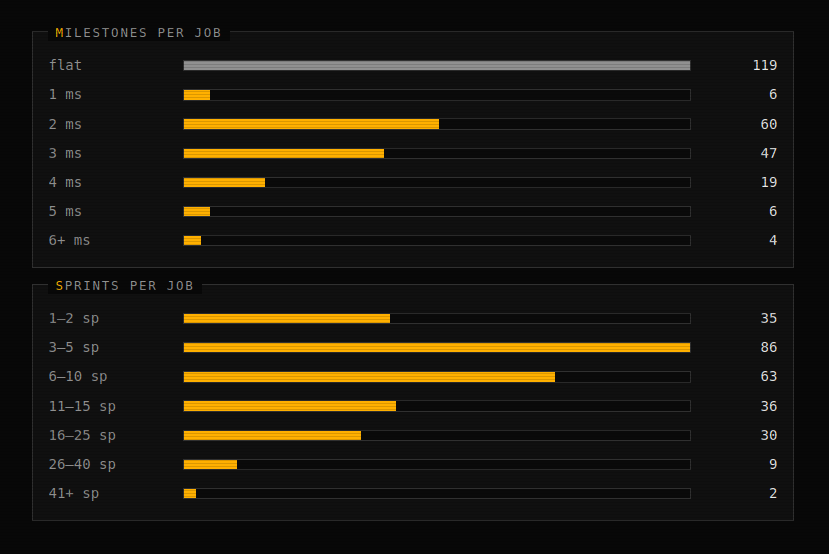 Dozens of agents, not hundreds
Gantry targets work the size of 5 to 40 high-effort agent sessions, which is about as much as I can plan out and hold in my head at once.
Dozens of agents, not hundreds
Gantry targets work the size of 5 to 40 high-effort agent sessions, which is about as much as I can plan out and hold in my head at once.
-
 My background in software
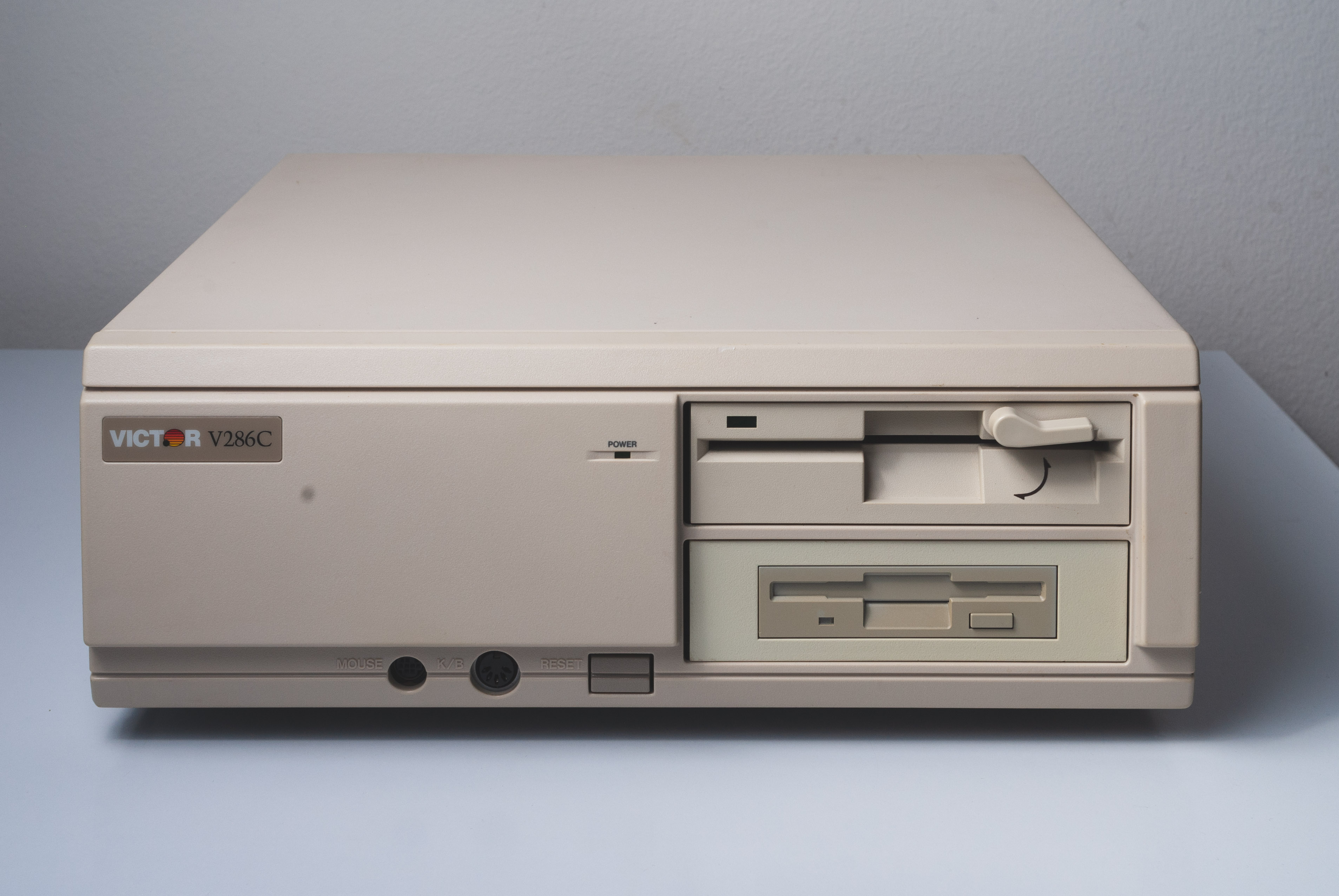
The story of my life with computers and software. QBasic in the 90s, startups in the 2010s, building with LLMs since 2022.
My background in software
The story of my life with computers and software. QBasic in the 90s, startups in the 2010s, building with LLMs since 2022.
-
 Meta-Harness for Hyper-Waterfall
The origin story of Gantry, an agent sequencer for spec-driven development with long-running autonomous execution.
Meta-Harness for Hyper-Waterfall
The origin story of Gantry, an agent sequencer for spec-driven development with long-running autonomous execution.
- About me Who am I, the author of these pages?